Preparing Your Home for Winter: Essential Remodeling Tips for Southfield Residents
Inspect and Seal Your Home's Exterior
As winter approaches, it's crucial to inspect your home's exterior for any potential vulnerabilities. Pay special attention to areas around windows and doors, as these are common spots for drafts. Sealing gaps with weatherstripping or caulking can prevent cold air from entering and warm air from escaping, helping to maintain a comfortable indoor temperature.
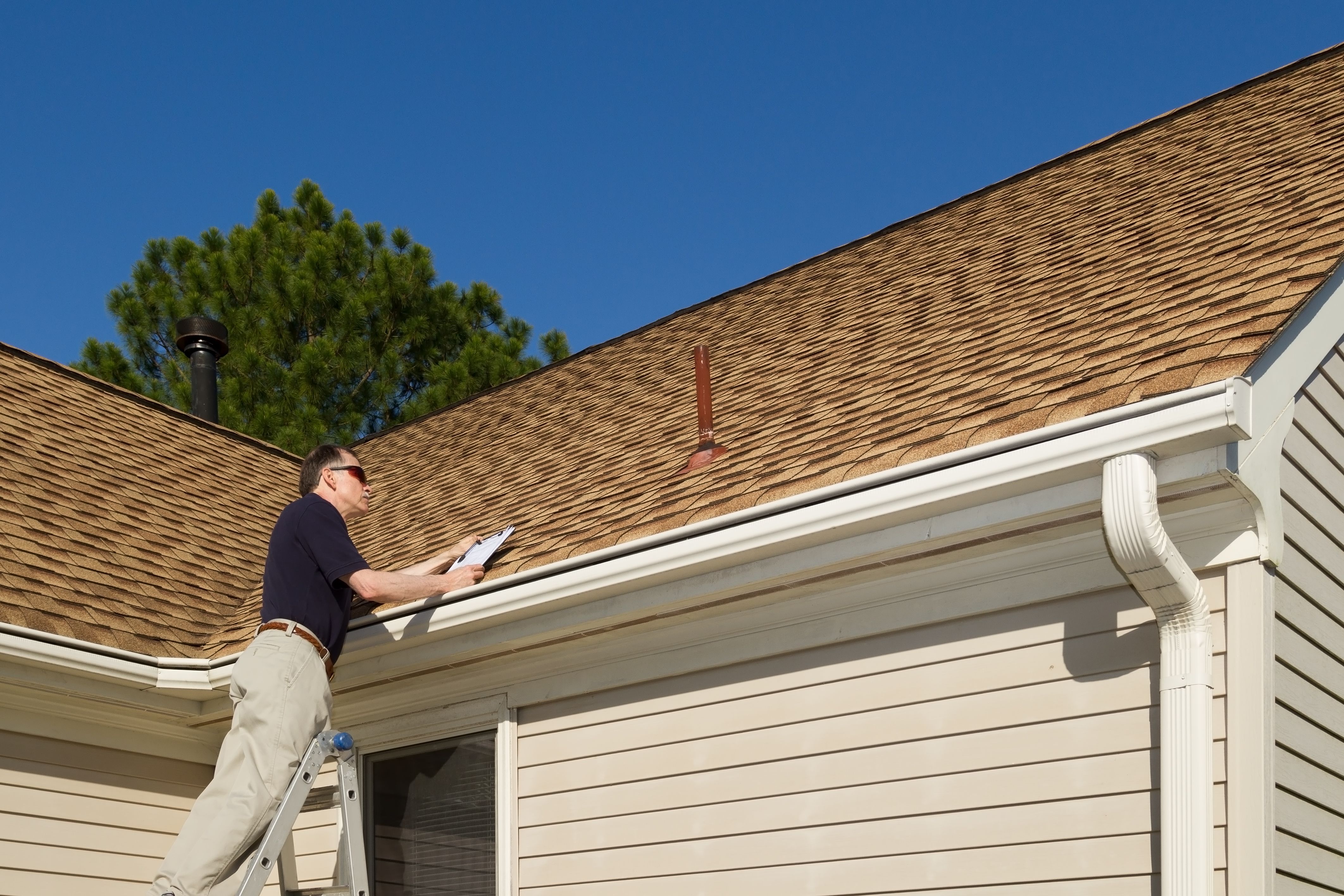
Additionally, check the condition of your roof and gutters. Clear any debris from gutters to prevent ice dams, which can cause significant damage. If your roof shows signs of wear, consider repairs or replacements before the snow arrives.
Enhance Insulation
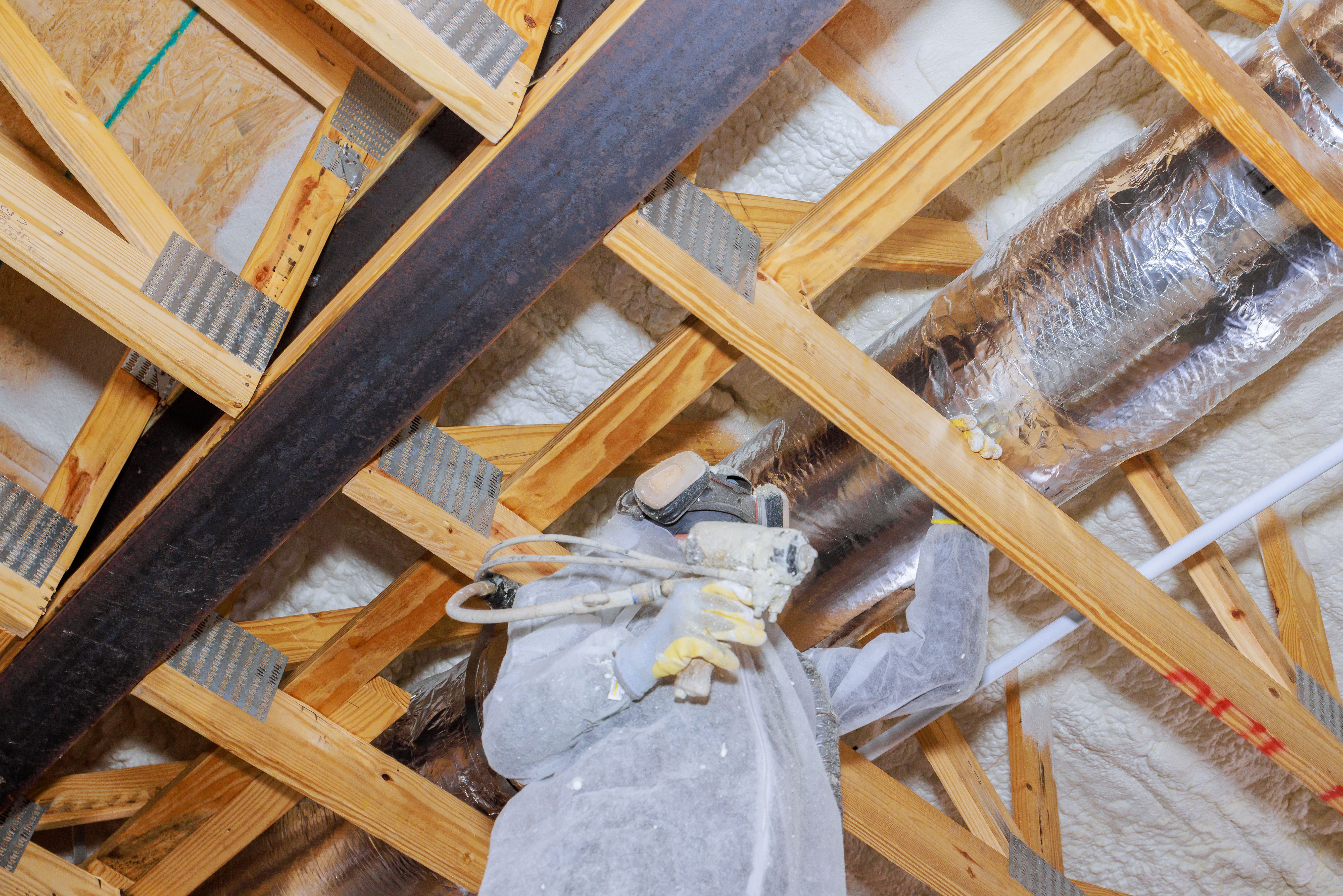
Proper insulation is key to keeping your home warm during the cold months. Check the insulation in your attic, walls, and basement. If it's inadequate, adding more insulation can greatly improve energy efficiency. Consider using materials with high R-values, which indicate better insulating properties.
Don't forget to insulate pipes, especially in unheated areas, to prevent freezing. Pipe insulation is a simple yet effective way to avoid burst pipes and water damage.
Upgrade Your Heating System
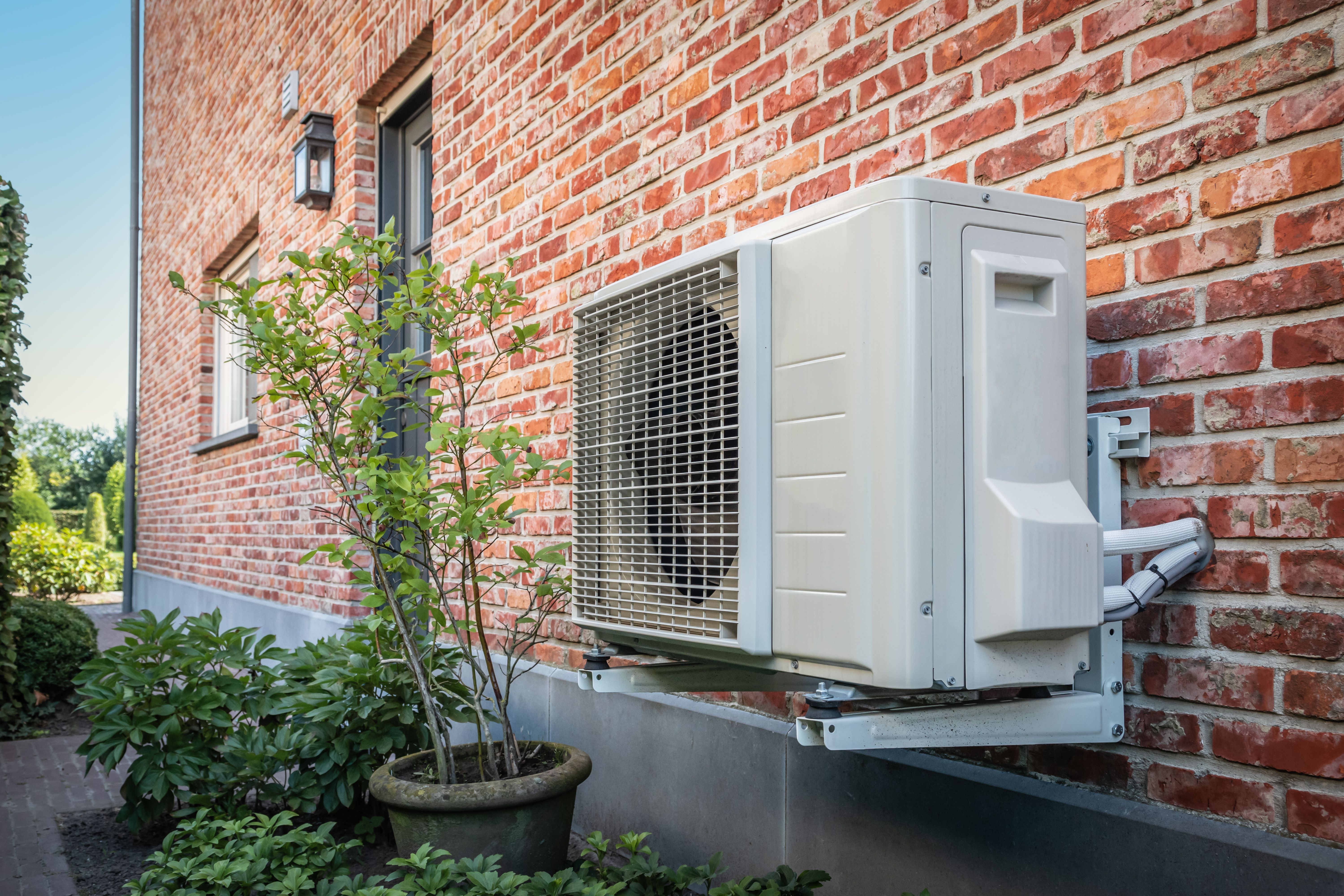
Ensuring your heating system is in top shape is essential for a cozy winter. Schedule a professional inspection to identify any issues before they become major problems. Consider upgrading to a more energy-efficient system if your current one is outdated.
Installing a programmable thermostat can also help you manage heating costs by allowing you to set different temperatures for different times of the day.
Prepare Your Windows
Windows can be a significant source of heat loss. Consider upgrading to double or triple-pane windows for better insulation. If new windows aren't in the budget, applying window film or installing thermal curtains can be a cost-effective alternative.
Regularly check for drafts and seal any gaps with caulk or weatherstripping. This simple step can make a noticeable difference in your home's warmth.
Maintain Your Fireplace
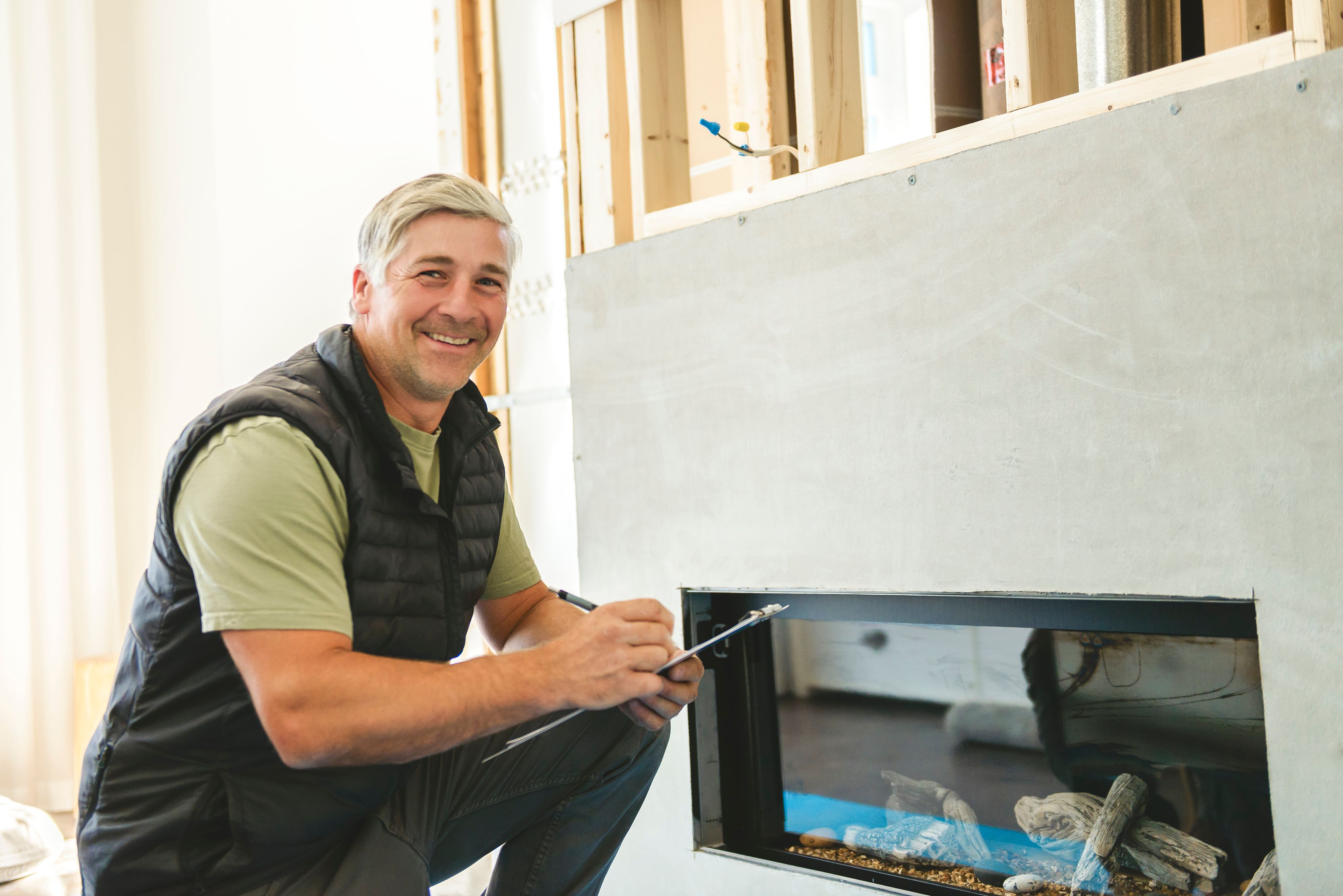
If your home has a fireplace, now is the time to ensure it's ready for use. Have a professional clean and inspect your chimney to prevent creosote buildup, which can lead to chimney fires. Ensure the damper is functioning properly to keep cold air out when the fireplace is not in use.
Consider installing glass doors on your fireplace to further reduce heat loss. This can enhance the efficiency of your fireplace while providing an additional safety measure.
Winterize Outdoor Spaces
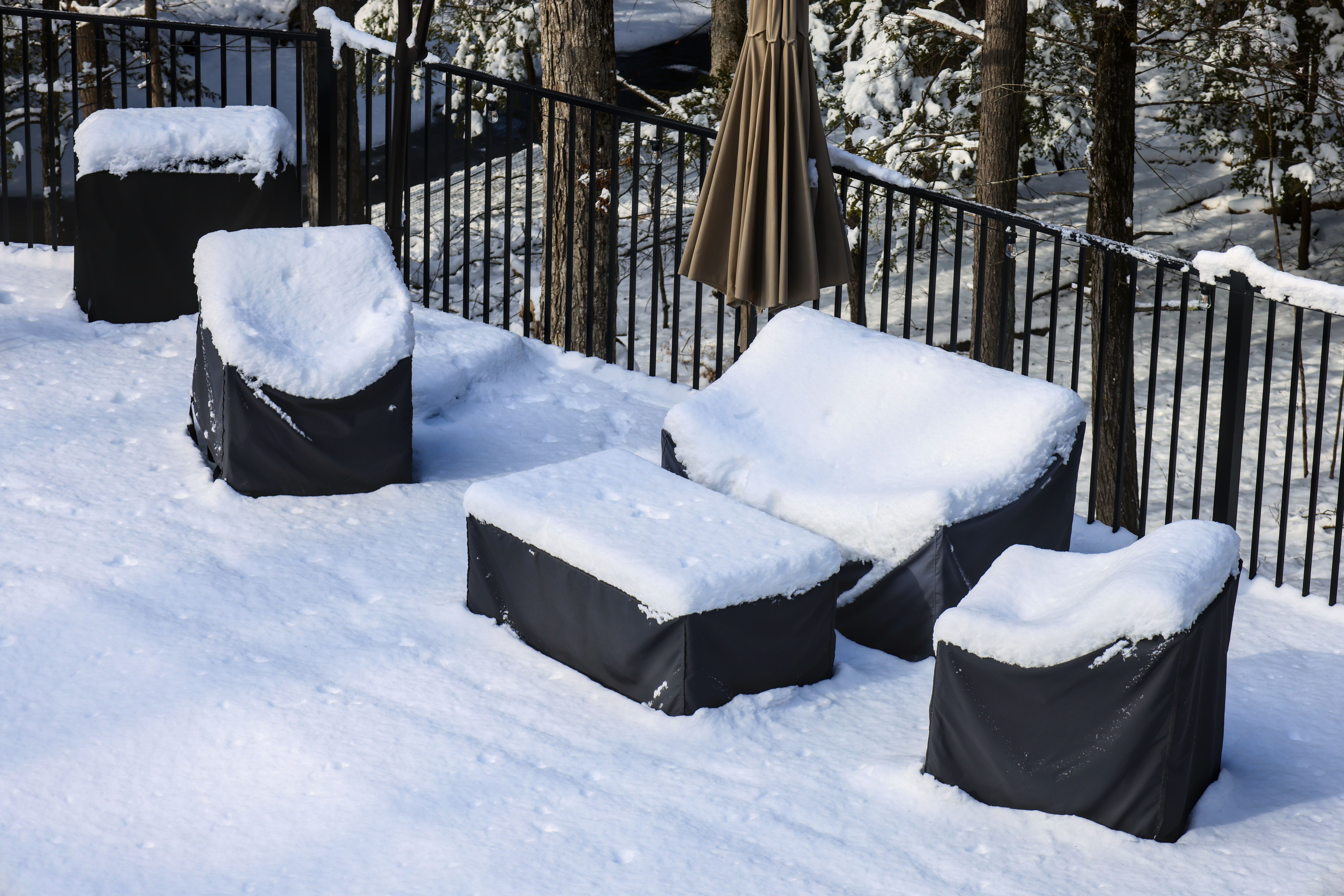
Don't forget about your outdoor spaces when preparing for winter. Store or cover outdoor furniture to protect it from the elements. Drain and store garden hoses, and shut off exterior water valves to prevent pipes from freezing.
Consider installing exterior lighting to improve safety during the darker months. Motion-sensor lights are a practical choice, offering visibility while conserving energy.
Test Your Smoke and Carbon Monoxide Detectors
With increased use of heating systems and fireplaces, the risk of fire and carbon monoxide poisoning rises. Ensure all smoke and carbon monoxide detectors are functioning properly by testing them and replacing batteries if necessary.
Place detectors on each level of your home and outside sleeping areas to provide maximum protection for your family.
Stock Up on Winter Essentials
Finally, make sure your home is stocked with winter essentials. Keep an emergency kit with flashlights, batteries, blankets, and non-perishable food in case of power outages. Having a supply of ice melt and a sturdy snow shovel will help you manage icy walkways and driveways.
By taking these steps, you can ensure your home is well-prepared for the winter months, providing comfort and safety for you and your family.